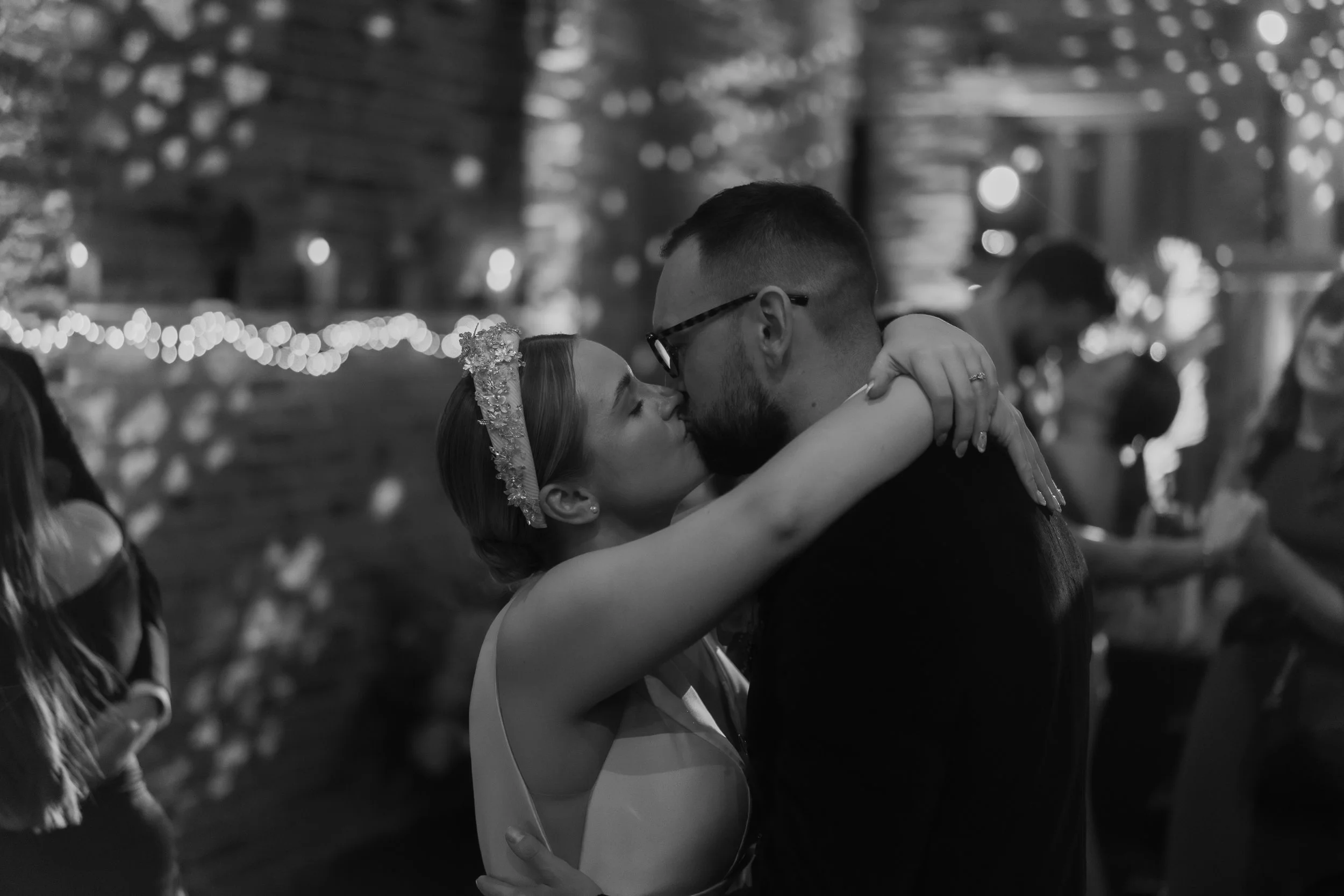
Why We Don’t Use Flash at Weddings
One of the questions we’re often asked is why we don’t use flash for wedding photography and video. It’s a fair question — and an important one — because how light is handled has a real impact not just on how photographs and films look, but on how a wedding feels while it’s happening.
Our approach is rooted in documentary storytelling: observing rather than directing, responding to what’s happening rather than reshaping it. That philosophy extends to light, too.
This isn’t a judgement on the use of flash being right or wrong. It’s simply a different way of working, and one we’ve found suits both the finished images and films we want to create, and the quiet, unobtrusive way we prefer to move through a wedding day.
Letting the Day Be
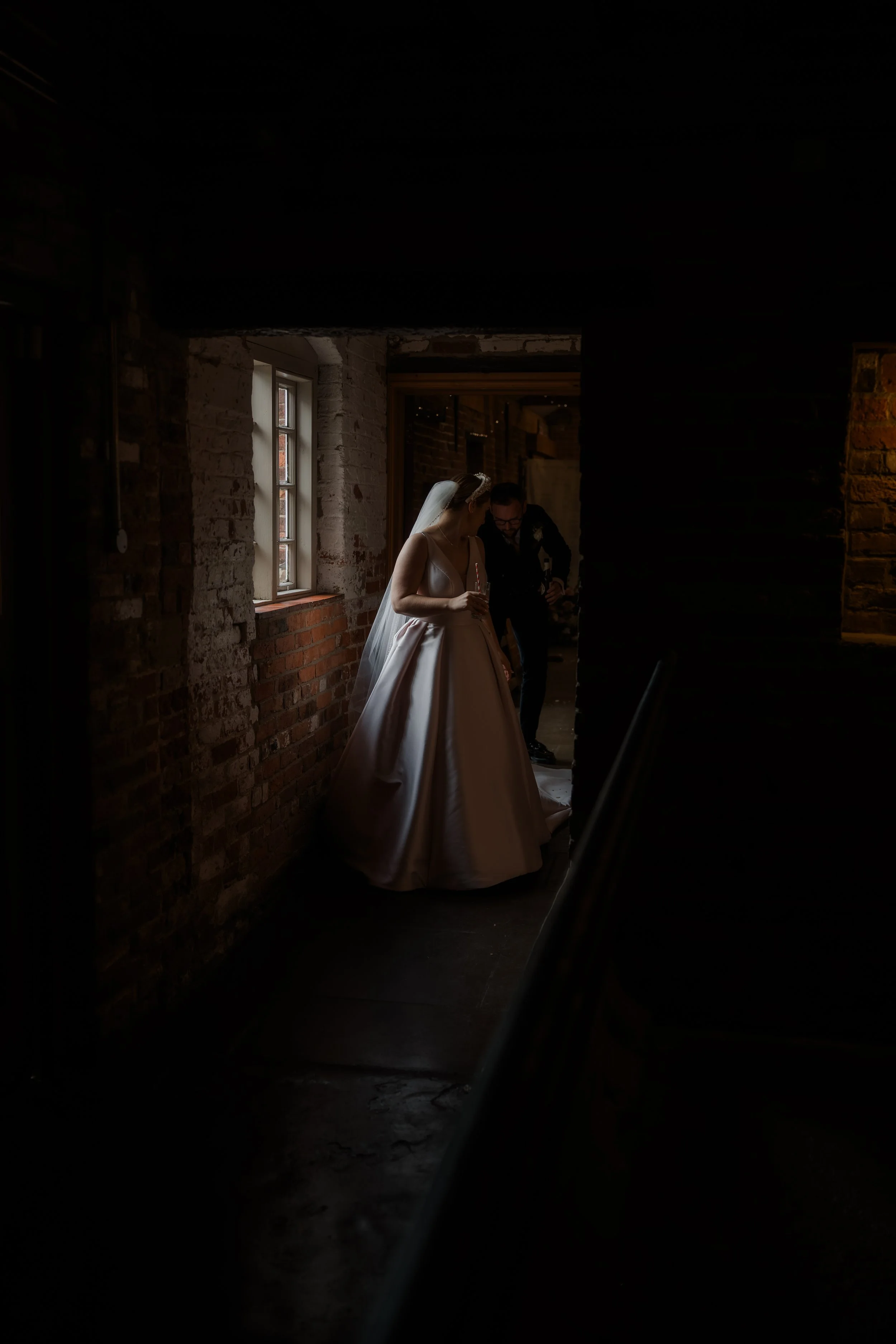
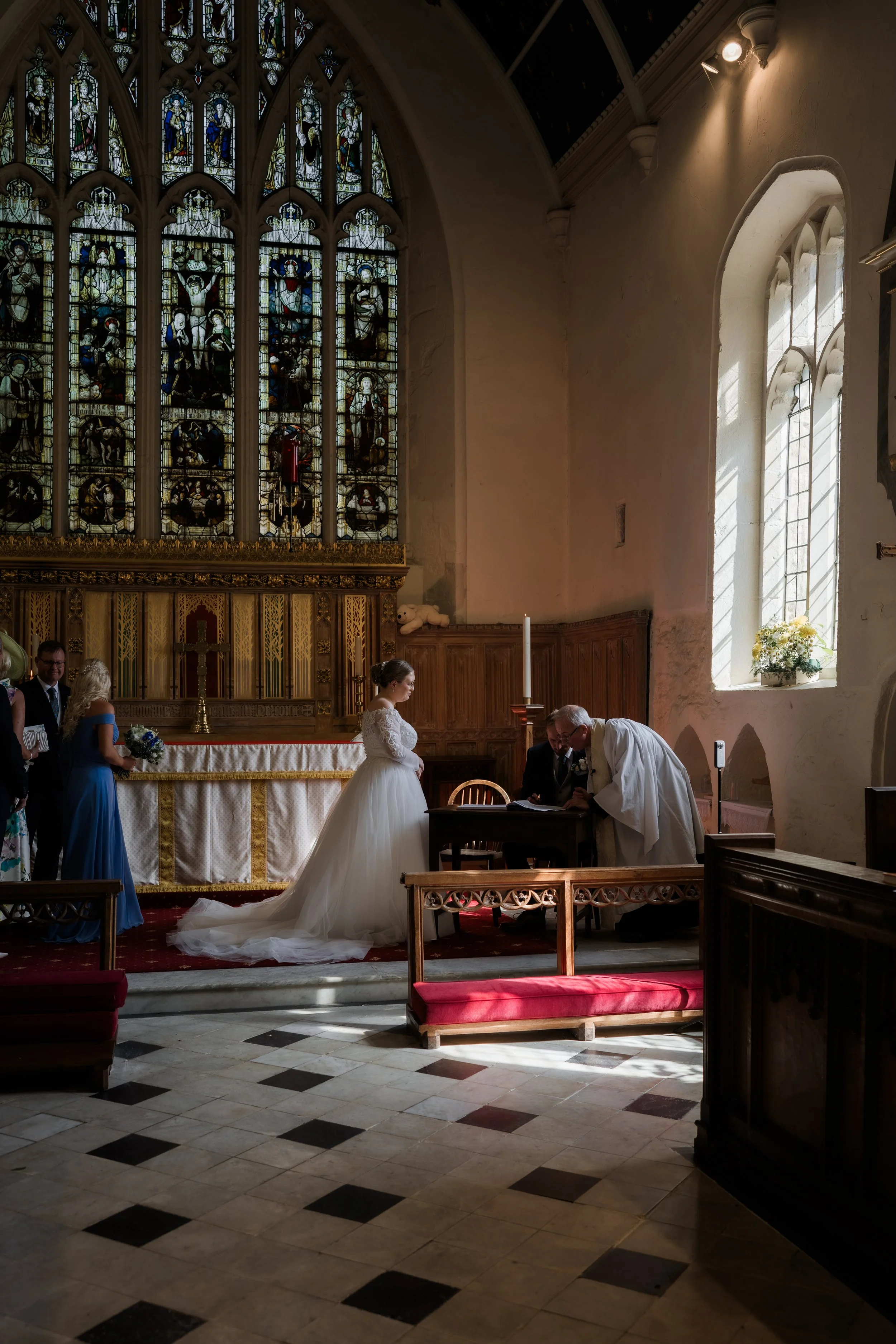
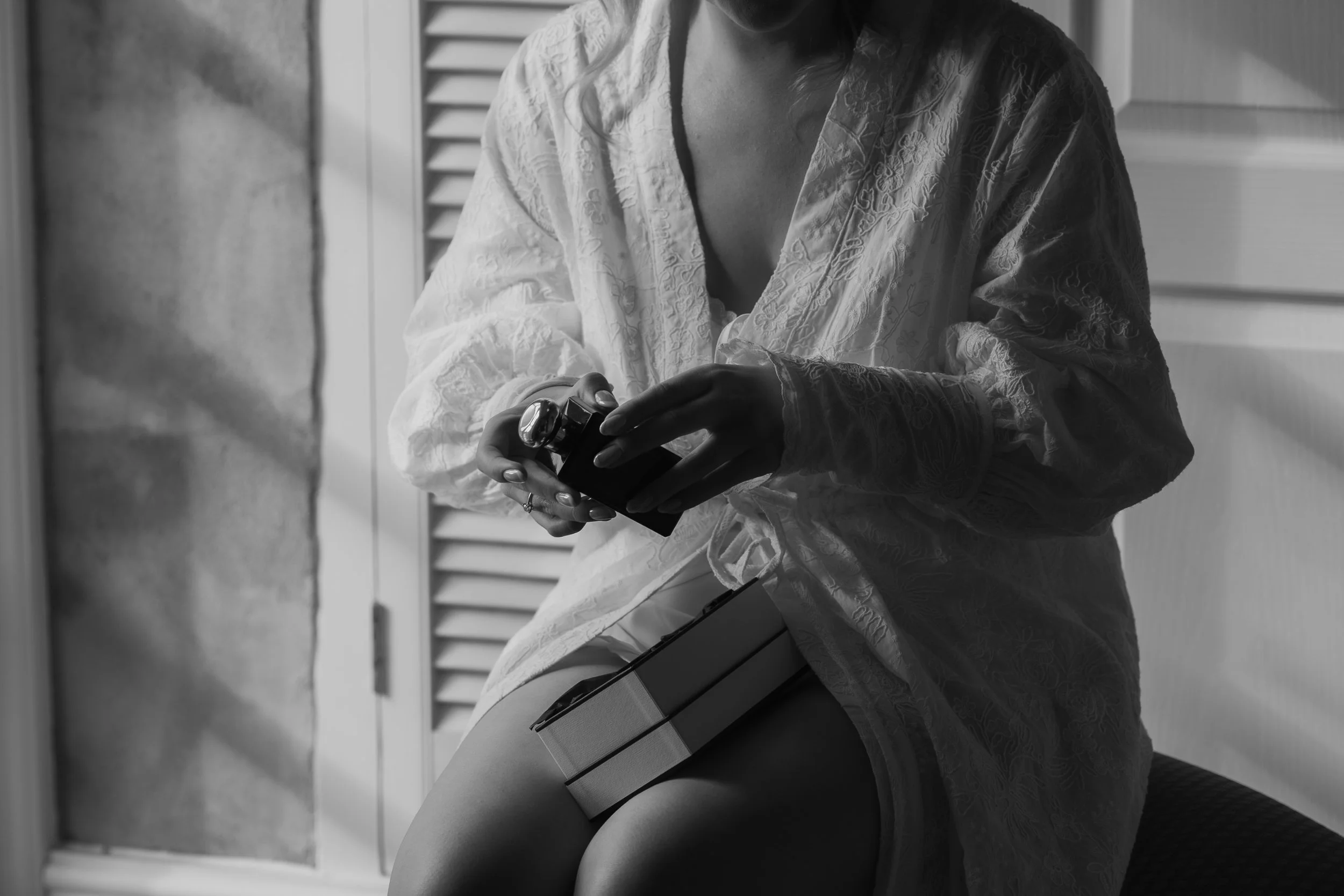
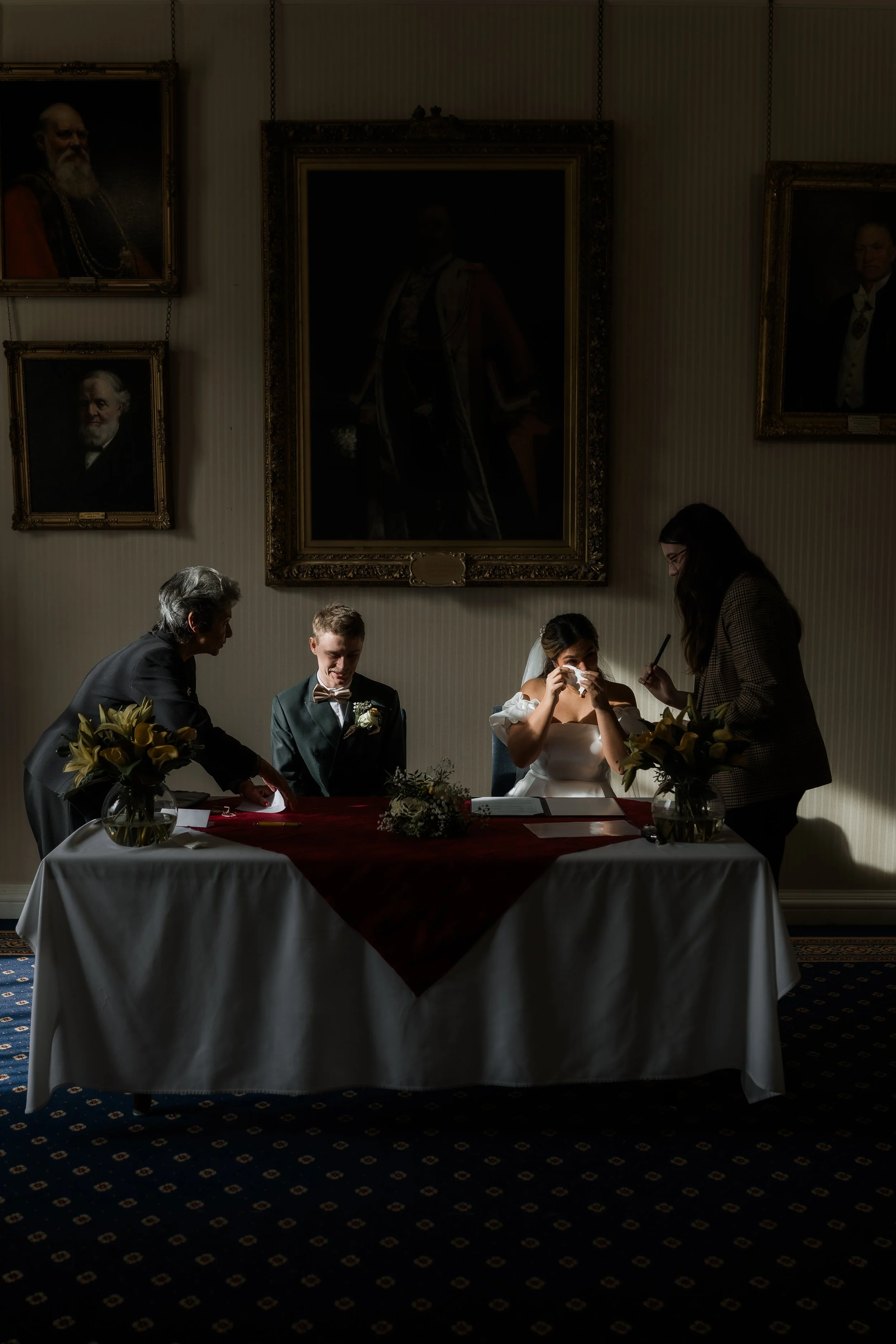
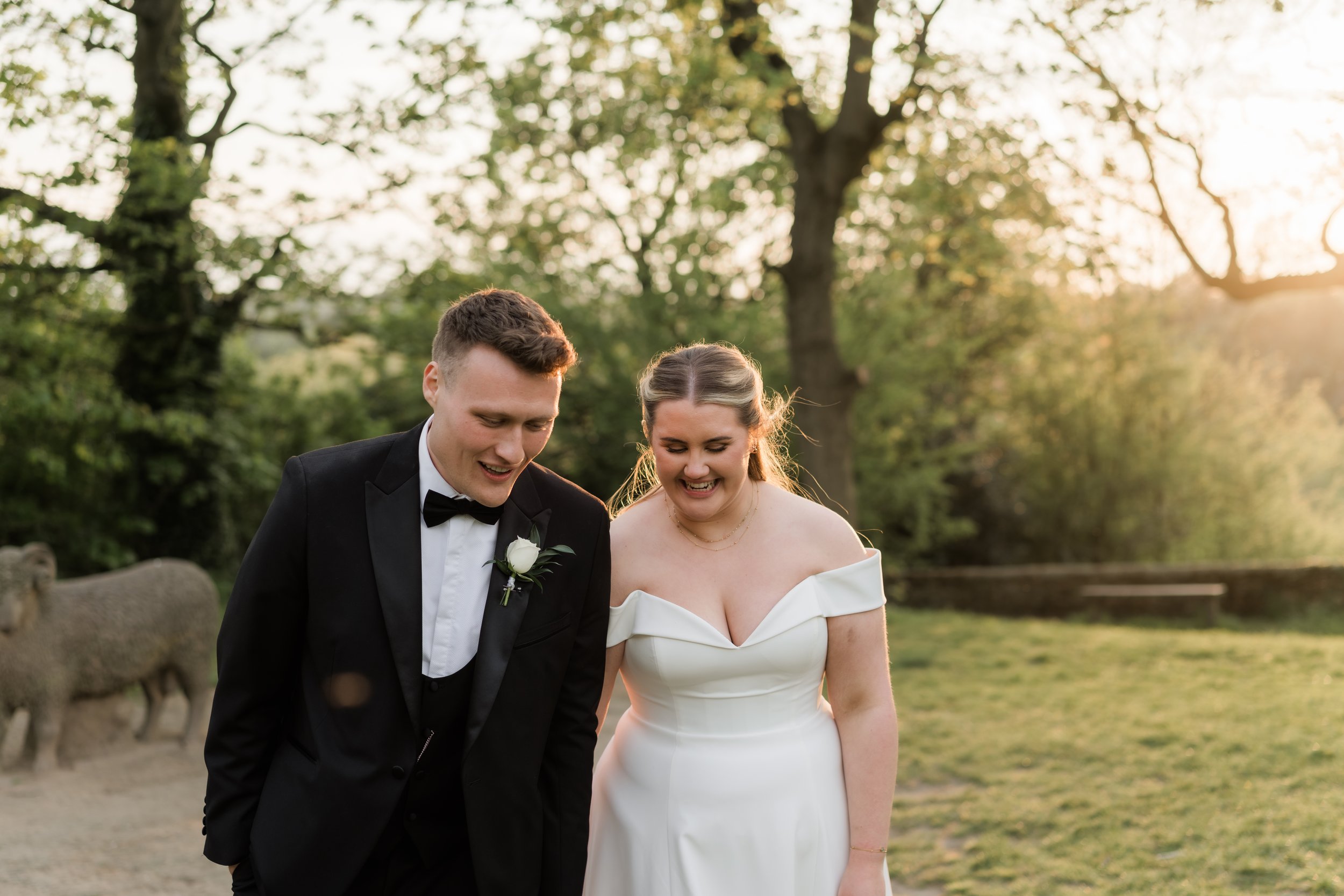
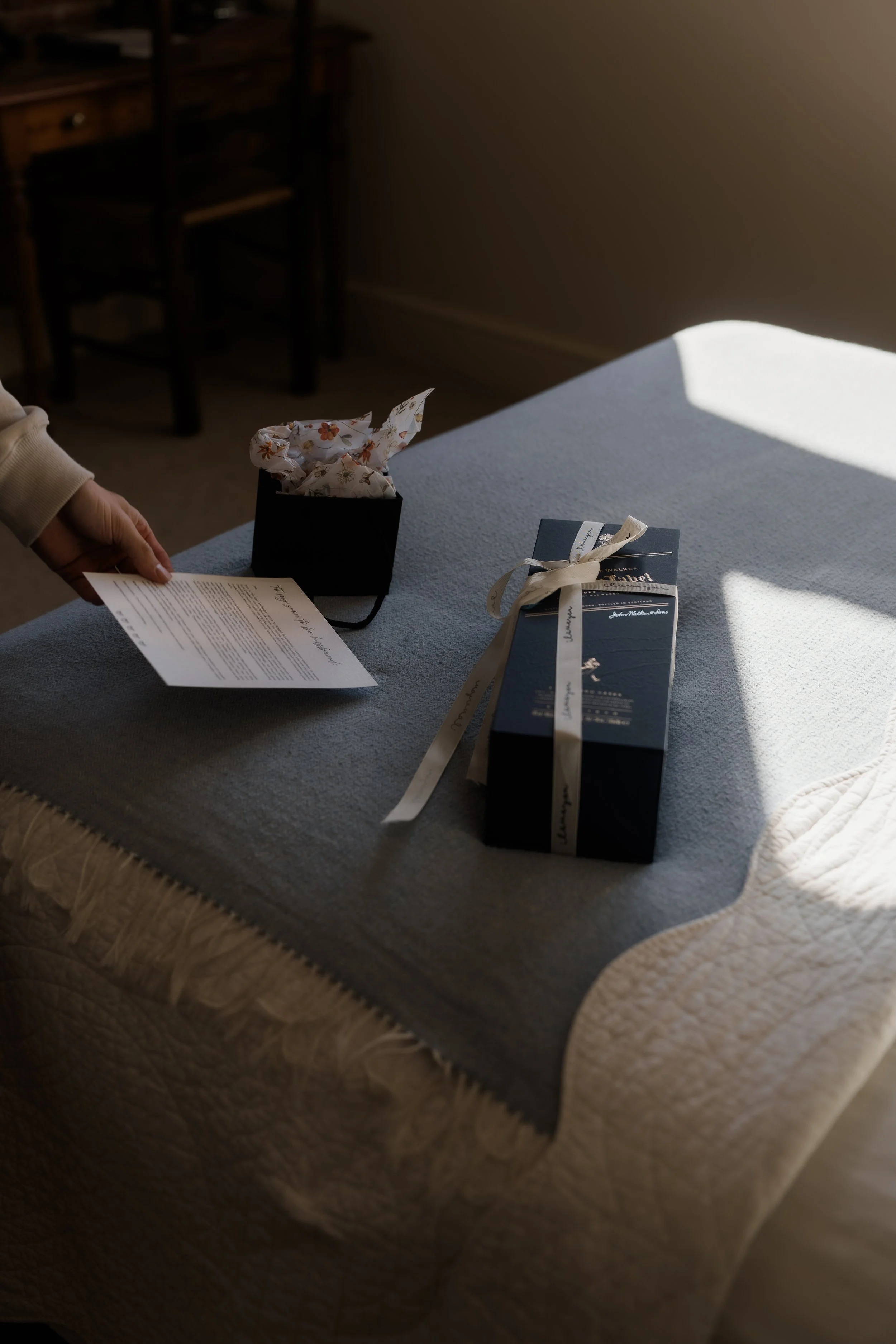
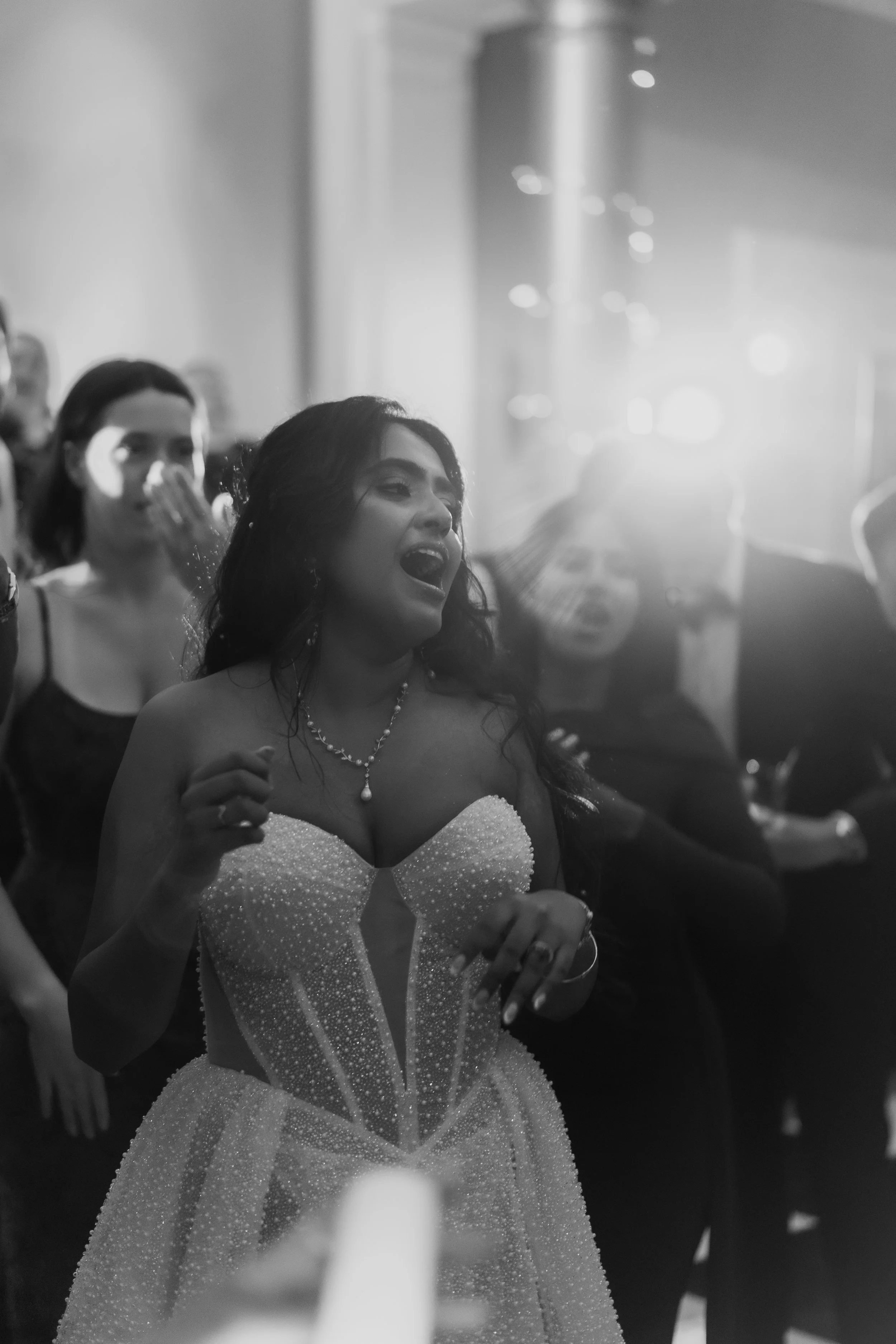
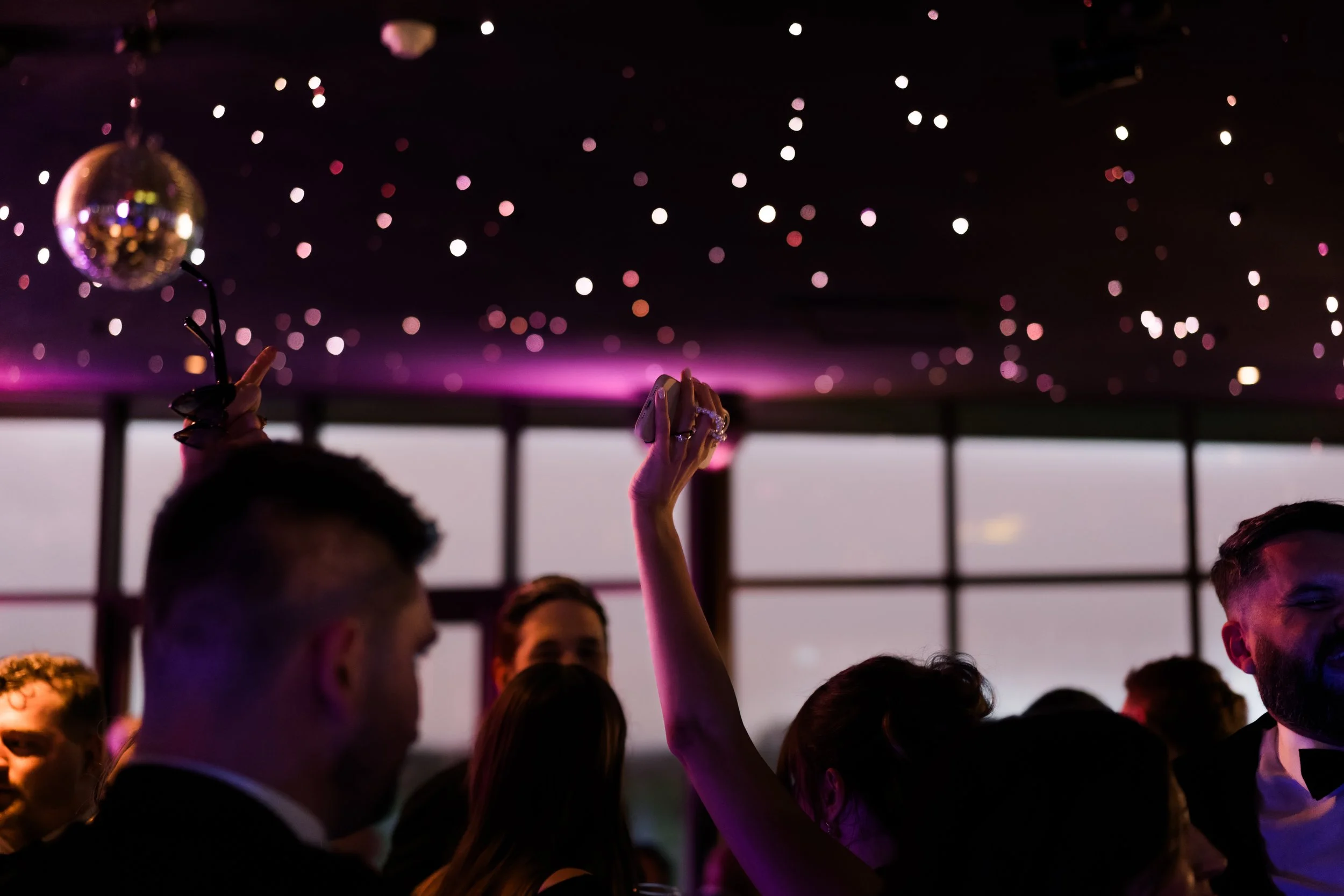
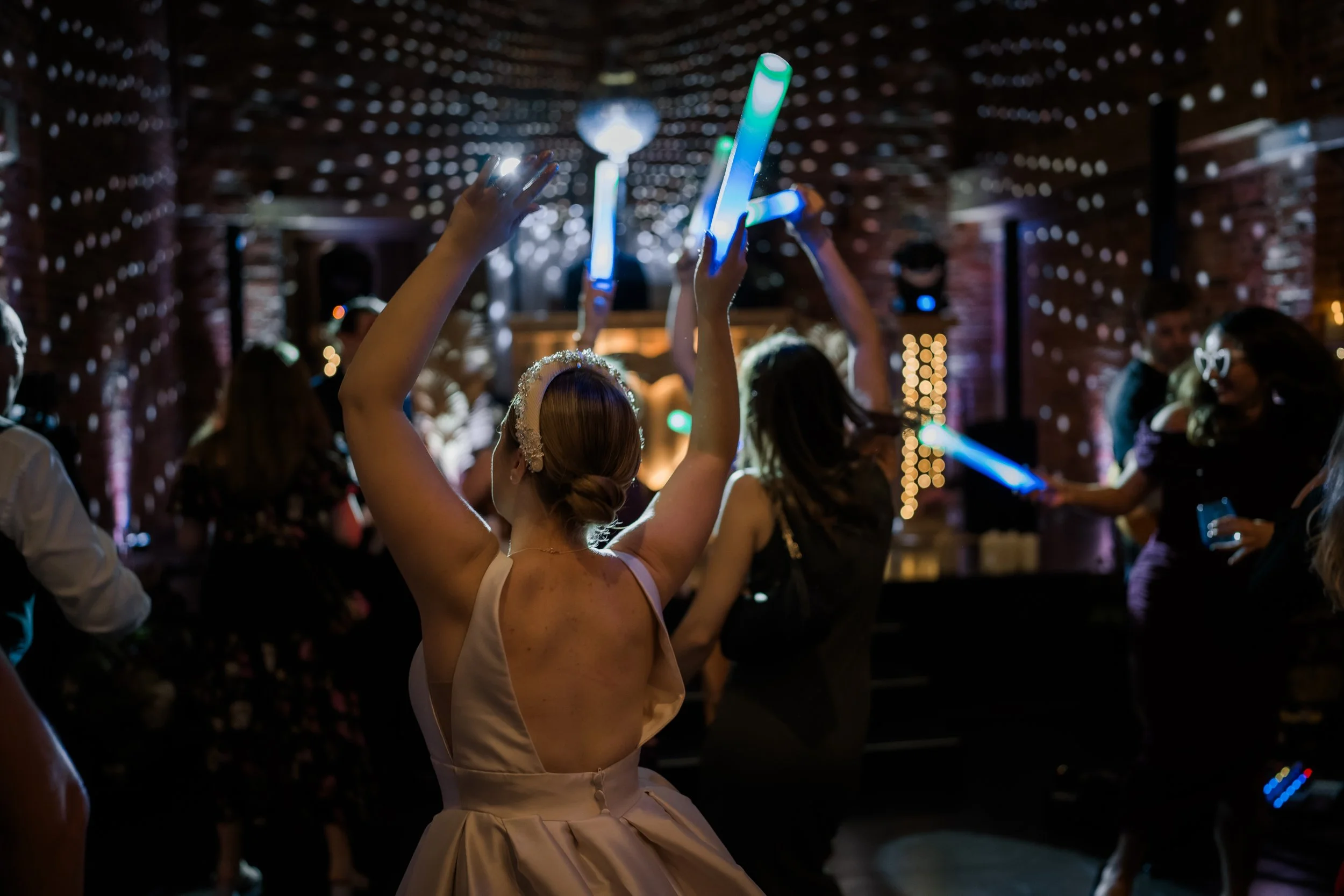
We’re drawn to the light that already exists — the way it moves, softens as the evening rolls in, or pools around certain moments. Working with available and ambient light helps preserve the atmosphere of a space and the emotional rhythm of the day.
Flash, by its nature, interrupts that rhythm. Even when used carefully, it announces itself. It changes the scene, pulls attention, and can subtly alter how people behave in the moment. During ceremonies, quiet exchanges, or emotional speeches, that interruption can be enough to shift the tone entirely.
For us, preserving the feel of the day matters as much as preserving the visuals.
Why We Don’t Use Flash at Weddings
This isn’t just an aesthetic decision — it’s also a practical one.
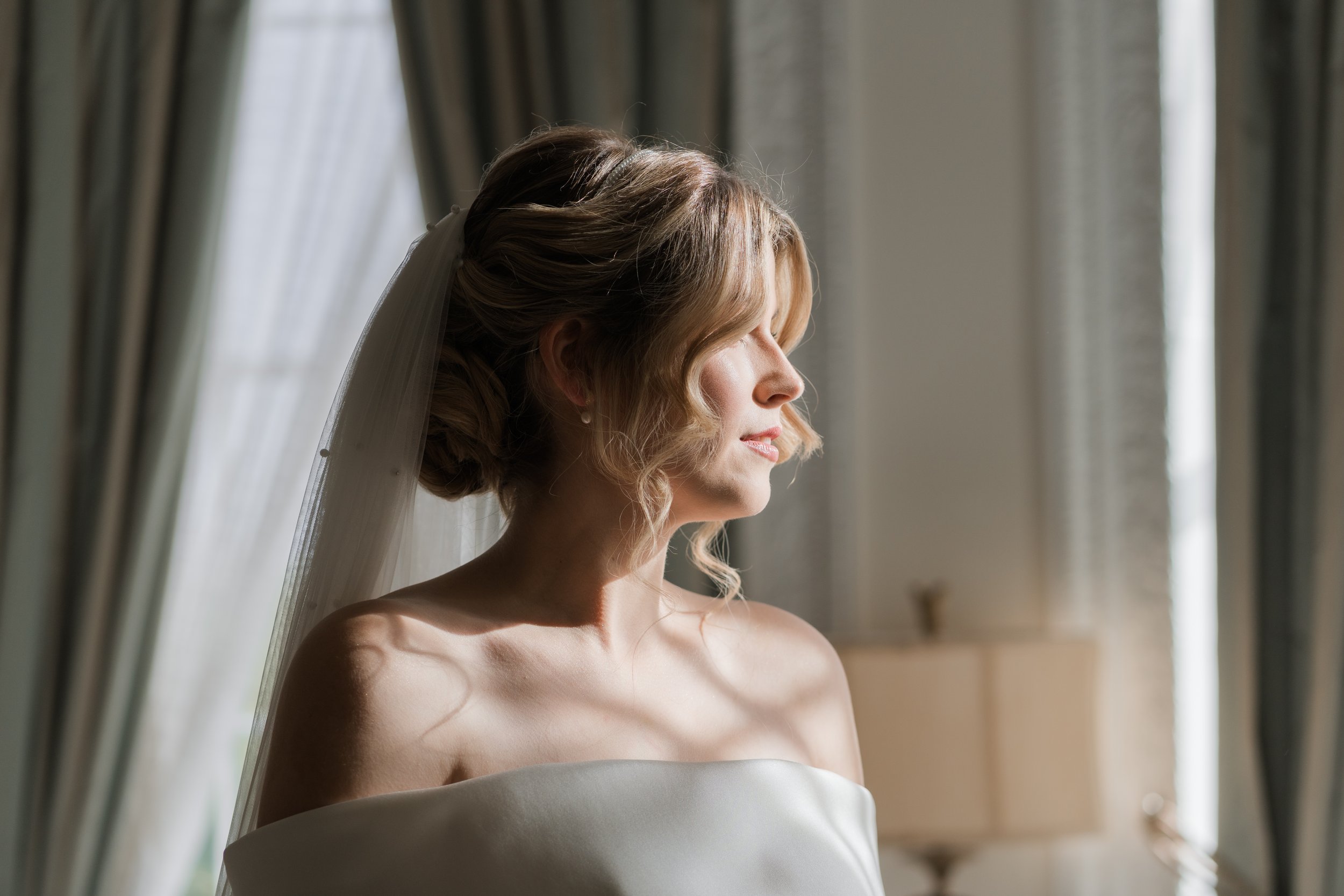
Modern cameras are exceptionally capable in low light, allowing us to work comfortably in conditions that once would have required artificial lighting. That flexibility means we can document events discreetly, without introducing additional equipment or visual distractions into the space.
From a filmmaking perspective, flash also introduces a look that doesn’t translate naturally to motion — sudden bursts of light can feel jarring on film and break the visual continuity.
Our priority is always to stay present and responsive, not to stop moments in order to engineer light.
What We Do Instead (and When)
We don’t use flash — and in almost all situations, we don’t add any additional light at all.
The only time we might introduce a small, continuous light is during the first dance, and even then, only after assessing how the room is already lit. In many venues, the ambient lighting and DJ setup are more than enough, and so we leave things exactly as they are.
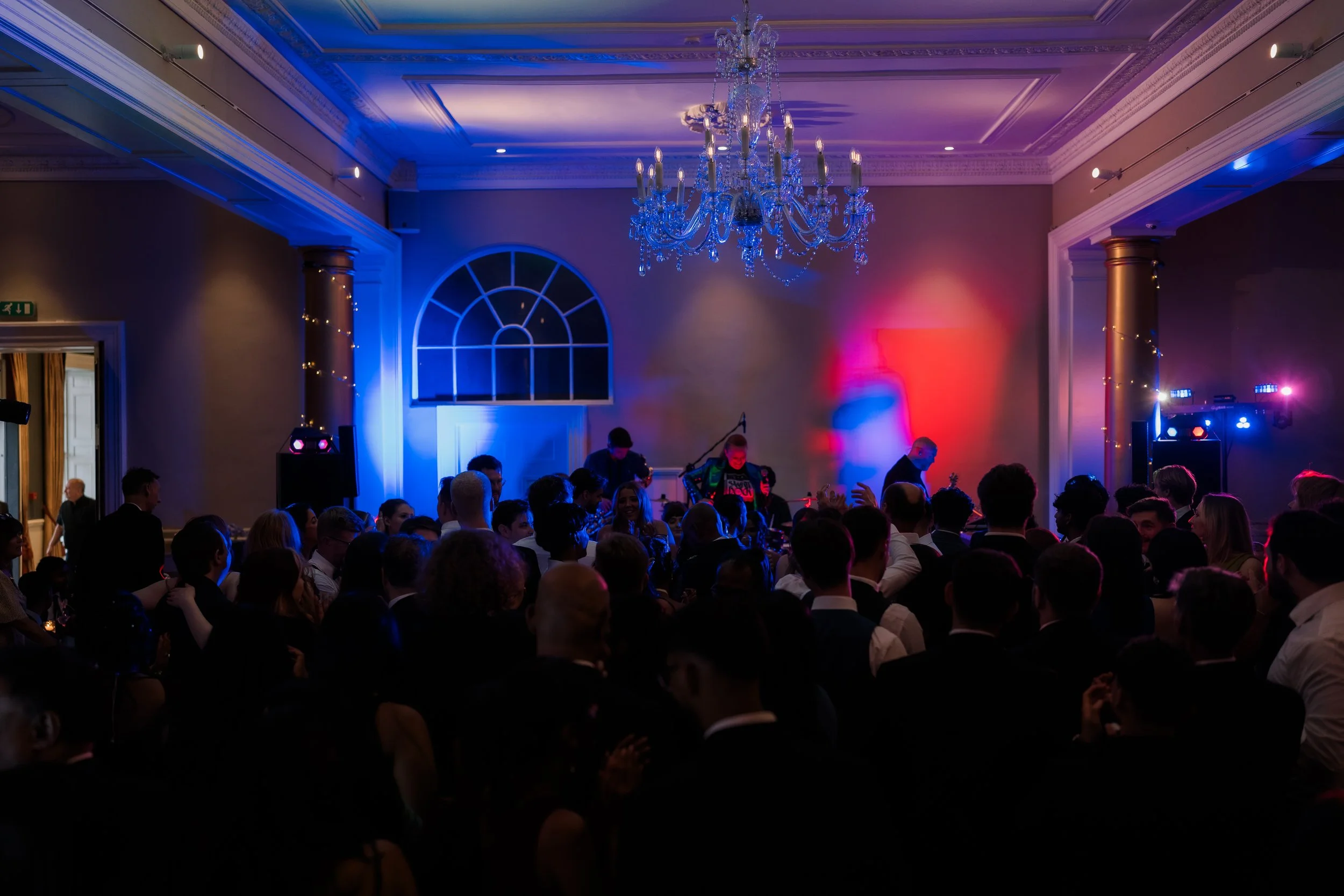
It’s only in very exceptional circumstances — usually when the light is extremely low or heavily colour-biased — that we make a small adjustment. We once photographed a wedding where the only light in the room came from the DJ, and it was entirely blue. The atmosphere was striking, and it was accurate to the space, but it also meant every face and expression appeared blue.
In situations like that, accuracy and recognisability start to pull in different directions.
Using a soft, neutral light in those rare moments isn’t about changing the mood or creating something artificial. It’s about ensuring skin tones remain natural and familiar, so when you look back, you can see yourselves clearly — without overpowering the atmosphere or drawing attention to the camera.
Nothing is automatic or pre-planned. We assess the space, the light, and the feeling in the room first — and only step in if it genuinely serves the images, the film, and the memory of the moment.
Like so much of wedding photography and videography, it comes down to preference — the look you’re drawn to, and the way you want the day to feel.
Our own approach to photo and video is rooted in observation rather than direction. If that way of working feels right for you, you can find more information here.